HVAC SEO Services for HVAC Contractors and Companies

HVAC Search Engine Optimization

HVAC Companies Use SEO to Increase Site Traffic, Calls & Leads

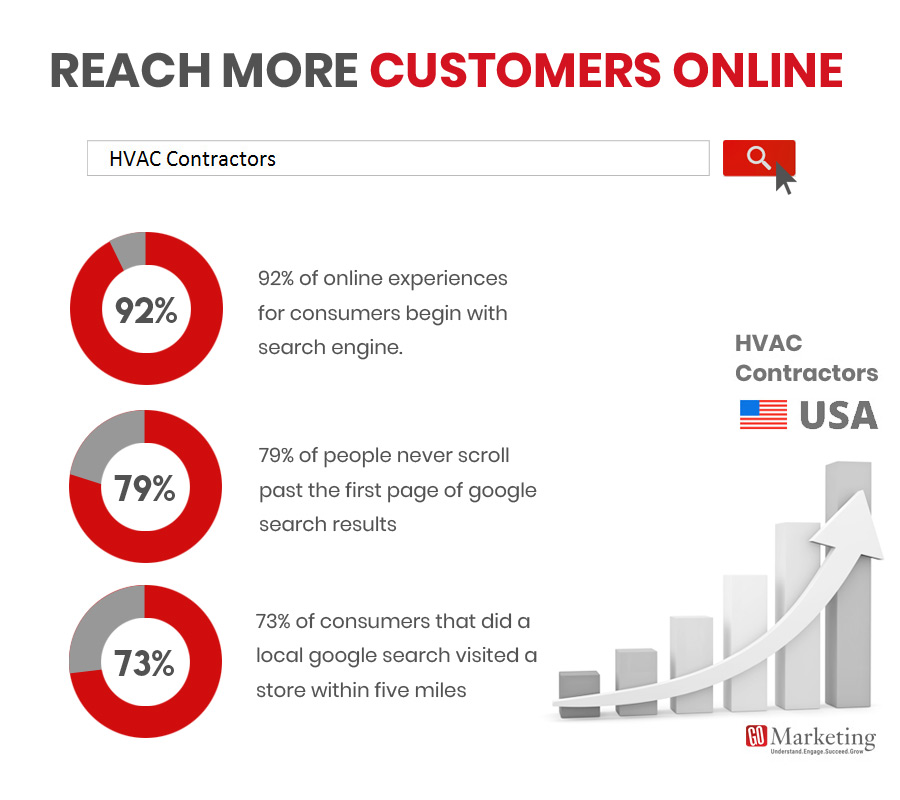
Living in a world of digital apps, no one can deny the ubiquity of internet digitization. This might sound surprising to you, but more than 3.4 billion people in the world use the internet. Keep in mind that more than 96.5 percent of customers rely on the internet to search for local services. In fact, approximately 92 percent of people have their online experiences with search engines. The statistics are enough to understand the significance of web presence to operate your local businesses successfully.

Being aware of your SEO score not only shows your vigilance but also keeps you updated on how you can further improve your business operations strategically. It is a way to monitor client visits and prospects, which necessitates your web presence. Your SEO scores manifest how accessible your site is and how it measures and how readable your website’s content is, making hvac contractor seo an essential part of staying competitive in today’s market.

Whether you’re a startup or run an established HVAC (Heating, Ventilation, and Air Conditioning) contractor, a solid SEO strategy can bring your business opportunities and help your business stay relevant with guidance from experienced hvac seo experts. The current article explores the effectiveness and substantiality of (Search Engine Optimization) SEO for HVAC Companies for a better web presence in the digital era.

Request A Free Quote
(805) 413-7893

HVAC SEO by GoMarketing

HVAC Lead widget 1

Ready To Grow?
Get Free Proposal Today:

When you partner with GoMarketing, we’ll help you earn visibility for the keywords your target audience is searching, and earn more customers for your HVAC company.

Speak with a strategist
Ready To Grow
Get Free Proposal Today

What is SEO for HVAC Companies?

It is worth mentioning that having good organic visibility on search engines like Google is a potent source of business leads for HVAC service providers. As this industry is saturated and competitive, only going through SEO’s motion is not enough. Instead, HVAC contractors need to outperform and outstrategize the competition.

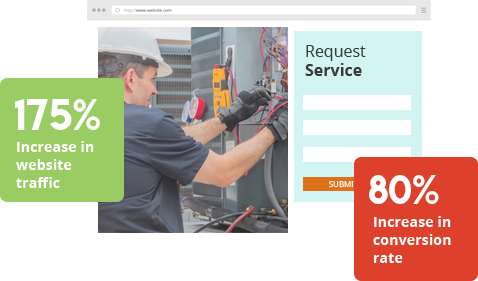
If you‘re thinking about why, as an HVAC contractor, focusing on SEO is vital. According to the latest case study, HVAC Company increases ROI up to 1,117 percent with HVAC SEO. That means HVAC SEO services from a reliable marketing expert can;

  • Enhance the keyword ranking of your company on search engines
  • Bring you plenty of high-quality leads from local consumers in your area
  • Generate organic web traffic

Working with market professionals such as GoMarketing, having expertise in HVAC digital marketing, you can amplify your SEO game as it can help homeowners in your area find you and book services. Contact us online or call us at 805-413-7893. Keep reading to learn more about HVAC SEO and how our services can help your business grow.

How Do HVAC SEO Services Work?

Still unsure how our digital marketing experts can transform your SEO campaign, improve online visibility, and get your phones ringing?

Here is a brief rundown of our SEO services aucasinosonline.com/nz/ for making a sustainable and long-term lead generation engine.

Research Research

Research is the first step of your SEO campaign. Our team at GoMarketing allocates marketing research and analyst for your SEO campaign who studies;

  • Mission and goals of your HVAC Company
  • Target audience
  • Provided services
  • Online and offline competitors in the industry
  • Other relevant information

All these questions are essential to device a comprehensive SEO strategy that can lead you to achieve your long and short-term goals.


Audit Audit

The next step is auditing, which plays an important role in assessing the existing HVAC SEO campaign. Our team look at your company’s;

  1. Keywords
  2. Traffic
  3. Rankings
  4. Off-page optimizations
  5. On-page optimizations

On completing an SEO audit, your digital marketing expert has enough data to prioritize updates. He knows what is required to make your web-pages more mobile-friendly or to optimize a title tag. The step enables an account manager to design a competitive strategy.

Optimize the Website and Local Citations for SEO Optimize the Website and Local Citations for SEO

Once the research part is complete, optimization of local citation and site begins, and your HVAC SEO marketing expert performs tasks like;

  • Claiming a “My Business Account” on Google
  • Including relevant keywords into the content
  • Fixing copied or similar content on your company’s website
  • Creating fresh and innovative content for users
  • Marketing content to consumers, reliable industry, and influencers
  • Adding a sitemap to your website
  • Optimizing images as per the best SEO practices

All these steps are crucial to make your HVAC SEO optimized and website more useful and visible to users and search engines.

Monitor Performance Monitor HVAC SEO Working and Performance

Monitoring HVAC SEO helps you determine the effectiveness of your digital marketing tactics. Your HVAC SEO Agency measures SEO performance by looking at your website’s conversions, organic traffic, and website ranking.

Implement Implement

GoMarketing implements strategies that can boost more organic traffic on your HVAC Company’s website after accumulating SEO performance data.

Improvement Iterate and Improve

The stage is all about using campaign-specific data to improve HVAC SEO. That means your SEO marketing expert finds new targeting keywords, integrates structured data, updates old pages, and recommendations, and compiles web design to enhance usability.

HVAC Lead widget 2

Attract More Leads
With SEO For HVAC Contractors

When you partner with GoMarketing, we’ll help you earn visibility for the keywords your target audience is searching, and earn more customers for your HVAC company.

Speak with a strategist
Attract More Leads With SEO For HVAC Contractors

Why SEO Is the Best HVAC Marketing Strategy?

If your HVAC Company is not among your prospective customers’ topmost searches, you might be missing out on something like SEO strategy. Note that tailored SEO strategies for an HVAC business can be tremendously advantageous. If done right, your HVAC Company can be right in front of your target audience when they need services related to the climate change system.

Take a look at the details that make SEO the best HVAC marketing strategy for improving visibility, setting off a chain reaction, and increasing more traffic to your sales funnel.

What are the Components of HVAC SEO Services

At GoMarketing, our SEO and digital marketing team make sure to understand the SEO needs of your HVAC Company. We aim to work on improving your digital presence. We leave no stone unturned from structure and coding, content, to contributing factors for offsite ranking.

Here are the components of our HVAC SEO services.

What are the Components of Our HVAC SEO Services

1. On-Page SEO

1. Keyword Research for the HVAC Industry

Keyword Research for the HVAC Industry, depending on the specific services an HVAC company provides. However, our SEO experts look at the three keyword categories for the HVAC industry. These are;

General Keywords

The group of keywords comprises general keywords you will like to target. They mostly include your service types and the company’s specialties. Some examples are;

  • HVAC
  • Furnace repair
  • Air conditioning repair
  • Furnace installation
  • HVAC contractor
  • Air conditioning installation

Local Geo-Modified Keywords

As mentioned in the title, this group of keywords focuses on adding local suburb or city you run services in; some of the examples include;

  • [City] furnace repair
  • Air conditioning repair [city]
  • [City] HVAC contractor

Supporting Long Tail Keywords

The keywords are the best way to educate or keep your potential clients updated. They can be your content strategy to help customers make a buying decision, especially in the research phase. Also, supporting long-tail keywords improves brand awareness. These keywords include;

  • How much does repairing a furnace cost?
  • What is the best heating system for a bungalow?
  • When is the right time to clean a chimney?

2. Technical and Website’s Code and Structure

The technical code and structure of your website can impact the online presence of an HVAC company. As it is a crucial component to expand the business, GoMarketing makes your HVAC website easy to search, crawl, and index by search engines.

With our specialists, you can make your portal mobile-friendly, secure, and quick. The right coding and structure allow you to install hi-tech Google Analytics, data-driven recommendations, and customized calls to track sources of new leads.

3. Website Content and Optimization

Note that you need to make your WebPages SEO-optimized, unique, and remarkable as Google ranks WebPages when homeowners search for different keywords to find HVAC contractors.

That is why SEO specialists at GoMarketing make sure to update your HVAC website several times a month using locally targeted, fresh content, blogs, posts, Infographics, and custom imagery. It improves search ranking. The process also includes the optimization of smart home assistants and voice search.

4. Local SEO

To connect your HVAC business with local homeowners, incorporating local SEO tactics is vital. That is why our SEO plan includes

  • Searching for a current business citation using Yelp, My Business, and Face book
  • Optimizing Google My Business Page and updating your service areas, maps, business hours, reviews, and listing.
  • Exploring opportunities to manage citations, create and monitor local directories, and building topical authority for SEO campaigns.

5. Website Loading Speed

We have web specialists to optimize your site to improve its loading speed on various devices. That means you can optimize image files and visual elements, benefit from caching built to speed up the website, and edit the website’s code to remove elements that slow down a website.

6. Analytics, Tracking, and Reporting

Our team installs high-functioning Google analytics to track, test, and evaluate SEO campaigns. To keep you well-informed about HVAC industry trends, we provide comprehensive reports containing details of the SEO strategy results.

7. Incorporate Google Analytics; Add a Sitemap, Increase Website Security

By incorporating Google analytics, website security, and sitemap, SEO specialists track website traffic. Sitemap on your website allows Google to read the pages intelligently and crawl your website. We also activate website security to prevent hacks and attacks.

2. Off-Site SEO

Offsite SEO refers to the steps taken to enhance SERP ranking and authority of a website with other websites’ help. Here is how GoMarketing can help you incorporate these steps.

1. Relevant Link Building

Link Building: To improve the value of your business website, external links to high-ranking and relevant websites is essential. At GoMarketing, we ensure you don’t lose opportunities to move up your SERP.

2. Website Link Profile Improvements

When credible websites link your HVAC website back, it establishes you as a subject authority and eventually improves your website link profile.

3. Directory Listing Registration from Ref

This offsite SEO tactic allows you to list your site in the relevant online directory. It is one way to make it easy for search engines to locate your services.

4. Review Generation and Management

No matter if your website makes you an authority in HVAC services, it won’t benefit you if your online presence doesn’t represent your practical expertise. GoMarketing’s review generation process can help your website get more reviews and monitor its online reputation.

5. Include Social Media in your HVAC SEO Strategy

Social Media Marketing: Social media is for mass sharing, and that is why it can affect SEO. Including social media in your HVAC SEO strategy adds up more online visibility. More people sharing your website’s content means more people are linking to it, which is vital for SEO ranking.

HVAC Lead widget 3

See How We Can Help You
GENERATE SALES LEADS ONLINE

When you partner with GoMarketing, we’ll help you earn visibility for the keywords your target audience is searching, and earn more customers for your HVAC company.

Speak with a strategist
See How We Can Help You Generate Sales Leads Online

HVAC Marketing Campaign: Local or National?

Understanding the difference between local and national marketing campaign can maximize the benefits of SEO marketing. When you intend to run a local campaign, you establish your business in a local geographical area by incorporating keywords with your city and state’s name. It allows your business to obtain a high ranking on the SERP when someone searches for HVAC (area) in your city.

On the other hand, a national campaign makes your HVAC website relevant to people searching for general HVAC services with general keywords (with no location-based item).

HVAC Marketing Campaign

HVAC SEO FAQs

HVAC SEO refers to the process of making, designing, or editing content of a website to rank it high in search engines such as Bing, Yahoo, and Google. SEO helps HVAC contractors optimize the website, make it secure, unique, secure, and fast to gain links and citations.

HVAC SEO services provide website content, code optimization, local SEO, competitive analysis, and tracking reports. GoMarketing can devise SEO strategies to improve your real-time ranking and grow your business.

Hiring an HVAC SEO company can help you handle daily monitoring tasks and maintaining an online presence. If you can’t comb through analytical data, traffic patterns, and rankings, an HVAC SEO company can manage everything for you.

To answer the question precisely, a good SEO campaign may take several months before it shows any improvement or growth. Not seeing results within a few weeks doesn’t mean you should call off the campaign.

Remember that SERP ranking takes time to move up and show impressive results. We say this because SEO campaigns have a specific target and may vary based on their detailed stages and requirements. Also, search engine crawling is a lengthy process. All you need is to pay attention to important results, such as increased numbers of clientele.

Of course, you want to find out how your HVAC SEO campaign is benefitting your sales and business. Luckily, there is plenty of tools to help you measure the progress of your company’s growth.

• From Tracking

The method is simple and enables you to locate the origin of inquires. It records location information anytime a user fills the form.

• Ranking Report

The tool is to find out your rank and placement in the search engine

• Phone Tracking

The tool helps you explore the reason why someone chose to call your services. This is one way to find the most effective part of the campaign.

Make HVAC SEO Easy with GoMarketing

The HVAC landscape is fierce, and you need to adopt a proactive approach to improve digital marketing. Partner with HVAC SEO experts like GoMarketing to gain the advantages of digital marketing. Given below are some reasons why hiring GoMarketing is the best way to make HVAC SEO easy.

Summing Up

All in all, seeing the world from globalization’s perspective, internet users have modified their searching habits now. Referring to this, SEO is certainly an important domain HVAC companies should be investing in to remain in the mainstream competition.

Thus, the article elaborates why climate control system contractors need to devise some efficient SEO strategies with experts like GoMarketing to make their website content useful and relevant, and visible for the target demographic.

Request A Free Quote

The Latest from GoMarketing

Table of Contents


Last month, an HVAC owner checked his phone after a full week of running ads. Barely any calls. He had traffic, clicks, even a decent-looking website. Still no real jobs coming in.

That’s the problem a lot of contractors face right now. You invest in HVAC digital marketing, but your HVAC lead generation stays inconsistent and your HVAC website ranking barely moves. It feels like you’re doing everything right, but something’s clearly off.

Here’s what’s actually happening. Small HVAC SEO mistakes are quietly killing your visibility. They push you down in search results, send customers to your competitors, and cost you real revenue.

Fix the right things, and things change fast. More calls. Better leads. More booked jobs. Let’s break down exactly what’s going wrong and how to fix it.

Why SEO Still Drives HVAC Leads in 2026

People still go straight to Google when something breaks. No one scrolls Instagram when their AC stops working. They search, click, and call.

That’s why SEO still drives the majority of high-intent HVAC leads. According to Google, nearly half of all searches have local intent, meaning users are actively looking for nearby services.

But here’s where things go sideways. A lot of HVAC companies chase traffic instead of results. You might get hundreds of visitors, but if they’re not ready to book, it doesn’t matter.

Qualified leads beat raw traffic every time.

SEO connects you with people who need help right now. Mess it up, and you lose visibility. Lose visibility, and your competitors get the call instead of you. Simple as that.

Mistake #1 – No Google Business Profile (GBP) Optimization

Your Google Business Profile is often the first thing people see. Before your website. Before your ads. If it’s not optimized, you’re basically invisible.

What an optimized GBP actually includes

A strong profile should have:

  • Accurate NAP (Name, Address, Phone)
  • Correct service categories
  • A keyword-focused business description

Google outlines all of this here: https://support.google.com/business/

If any of these are missing or outdated, your rankings take a hit.

Why GBP is critical for HVAC lead generation

Now think about how people search. They type “AC repair near me” and click one of the top 3 results in the map pack.

If you’re not there, you don’t exist to that customer.

Most of these searches happen on mobile. People want fast answers, not options. They tap and call.

Fix: Simple GBP optimization checklist

Start here:

  • Add all your services and service areas
  • Upload real photos from jobs
  • Post updates weekly
  • Answer common questions
  • Keep hours updated

Important: Don’t set it and forget it. Google rewards active profiles

Mistake #2 – No Dedicated Service-Area Pages

A single “Services” page won’t cut it anymore. Google wants relevance, and that means location-specific content.

Why one generic “Services” page doesn’t rank

When someone searches “heater repair in San Diego,” Google looks for pages that match that exact intent.

A general page doesn’t do that. It’s too broad.

That’s why your HVAC website ranking stays stuck.

What high-ranking HVAC service pages include

Strong pages usually have:

  • City-specific keywords
  • Unique content for each location
  • Internal links to related services

Google confirms location relevance matters.

Fix: Build scalable service-area pages

Here’s a simple structure:

  • Main service page
  • Individual city pages
  • Sub-service pages if needed

This setup helps you rank in multiple locations without guessing.

Mistake #3 – Ignoring Review Velocity and Reputation Signals

You might already have reviews. That’s good. But if you’re not getting new ones regularly, it’s a problem.

What is review velocity?

Review velocity is how often you get new reviews over time. Not just total count, but consistency.

A business with 200 reviews from 2 years ago won’t outperform one getting fresh reviews every week.

How reviews affect HVAC website ranking

Reviews influence rankings and customer decisions.

BrightLocal found that 87% of people read reviews before choosing a business. 

More reviews build trust. More trust leads to more clicks.

Fix: Systemizing review generation

Don’t rely on luck. Build a system:

  • Send review requests after every job
  • Ask in person before leaving
  • Respond to every review

Warning: Ignoring reviews makes your business look inactive. That hurts both rankings and trust.

Mistake #4 – Slow Mobile Website Speed

Slow websites kill leads. No way around it.

Why mobile speed matters more than ever

Most HVAC searches happen on mobile. If your site takes too long to load, users leave.

Google uses Core Web Vitals as a ranking factor. That means speed affects both rankings and conversions.

Common speed issues on HVAC websites

You’ll usually see:

  • Large image files
  • Cheap hosting
  • Too many scripts

Even a few seconds of delay can cost you a lead.

Fix: Speed optimization basics

Focus on:

  • Compressing images
  • Using caching and a CDN
  • Cleaning up unnecessary scripts

Key point: Faster sites get more calls. It’s that direct.

Mistake #5 – Targeting the Wrong Keywords

This one’s common. And expensive.

Difference between high-intent vs low-intent keywords

Some searches mean “I’m ready to hire.”

Others mean “I’m just researching.”

Example:

  • High intent: “AC repair near me”
  • Low intent: “how AC works”

Only one leads to a call.

How wrong keywords kill HVAC lead generation

If you target the wrong keywords, you get traffic that doesn’t convert.

That’s why your analytics might look fine, but your phone stays quiet.

Fix: Smarter keyword strategy

Focus on:

  • Local service keywords
  • Long-tail searches
  • Buyer intent

Tools like Ahrefs (https://ahrefs.com/) and SEMrush (https://www.semrush.com/) help you find these.

Bottom line: Go after keywords that lead to jobs, not just clicks.

Mistake #6 – No Schema Markup on Website

Schema might sound technical, but it’s actually pretty simple.

What schema markup does

Schema helps Google understand your site better. It adds extra context to your content.

Learn more here: https://schema.org/

Types of schema HVAC companies need

You should have:

  • LocalBusiness schema
  • Service schema
  • Review schema

These can improve how your listing appears in search.

Fix: Implementing schema correctly

Use:

Important: Schema won’t fix everything, but it gives your SEO a solid boost.

Mistake #7 – Not Tracking Calls and Conversions

A lot of HVAC businesses track traffic. Not enough track results.

Why traffic alone is misleading

Traffic doesn’t equal revenue. Calls and booked jobs do. If you don’t track conversions, you’re guessing.

Key metrics HVAC companies should monitor

Focus on:

  • Call tracking
  • Form fills
  • Conversion rates

Google Analytics can help: https://analytics.google.com/

Fix: Setting up conversion tracking

Start with:

  • Proper analytics setup
  • Call tracking tools
  • CRM integration

You can’t fix what you don’t measure. This is where real growth starts.

How These HVAC SEO Mistakes Compound Over Time

These mistakes don’t hit all at once. They stack up.

A weak Google profile lowers your visibility. Slow speed pushes users away. Poor keywords bring in the wrong audience.

Over time, rankings drop. Competitors move up. Leads dry up.

That’s how small issues turn into lost revenue.

Fixing them early puts you ahead. Waiting too long puts you behind.

Quick Comparison Table – Mistakes vs Fixes

Mistake Impact Fix
No GBP optimization No local visibility Optimize profile
No service pages Poor local ranking Create geo pages
No reviews Low trust Build review system
Slow website High bounce rate Improve speed
Wrong keywords No conversions Target intent keywords
No schema Poor indexing Add structured data
No tracking No insights Set up analytics

Conclusion

Most HVAC companies don’t struggle because they aren’t trying. They struggle because they focus on the wrong parts of SEO.

These HVAC SEO mistakes may seem small, but they quietly hurt your HVAC website ranking and slow down your HVAC lead generation.

The fix is simple. Clean up your Google profile. Build real service-area pages. Get steady reviews. Speed up your site. Track your calls and conversions.

Start fixing these today, and you’ll see the difference. More visibility, more calls, more booked jobs.

Want help creating a marketing plan? GoMarketing has been helping businesses grow since 2008 with proven SEO and digital strategies that turn traffic into real leads. Get a free HVAC SEO audit and let’s get your leads moving again.

FAQs

What are the most common HVAC SEO mistakes?

The biggest ones include poor Google Business Profile setup, no service-area pages, ignoring reviews, slow website speed, wrong keyword targeting, missing schema, and no conversion tracking.

How long does it take to see SEO results for HVAC companies?

Most businesses start seeing movement in about 3 to 6 months. Competitive areas may take longer, especially if your site needs major fixes.

Is SEO better than paid ads for HVAC lead generation?

SEO builds long-term lead flow. Paid ads bring faster results. The best approach usually combines both.

Do I need separate pages for every service area?

Yes. Location-specific pages help you rank in each city you serve. Without them, you limit your reach.

How can I improve my HVAC website ranking fast?

Start with your Google Business Profile, fix your site speed, and target high-intent keywords. Those changes can make a noticeable difference quickly.

You bump up your ad budget. You expect more calls. Instead, you get clicks that go nowhere. It feels like you’re paying for attention, not actual jobs.

That’s the reality for a lot of contractors dealing with HVAC PPC 2026. Costs keep rising, competition gets tighter, and homeowners don’t trust ads the way they used to. They scroll past anything that looks generic or unverified.

Now here’s the shift. Google Local Services Ads HVAC flips the model. You don’t pay for clicks. You pay when someone actually calls or messages you. And your business shows up at the very top with a trust badge that makes people feel safe reaching out.

According to Google, Local Services Ads connect service providers with high-intent customers who are ready to book. That’s the key difference. You’re not chasing traffic. You’re getting real leads.

This guide breaks everything down so you can make smarter decisions. If you’re exploring different HVAC advertising options, this will help you understand where LSAs fit and how to use them effectively.

Table of Contents

What Are Google Local Services Ads (LSAs)?

Before you start spending, you need to understand how this system works and why it’s different.

Definition and Core Function

Google Local Services Ads are built for service businesses like HVAC. The biggest difference is simple. You only pay for leads, not clicks.

With traditional ads, someone can click your ad, browse for a few seconds, then leave. You still pay. That adds up fast. LSAs remove that risk. You get charged when a customer:

  • Calls your business
  • Sends a message
  • Books an appointment

Google explains it here:
https://support.google.com/localservices/answer/6224841

Important: This model aligns your ad spend with actual job opportunities. That’s why many contractors are shifting budget into LSA for HVAC.

How LSAs Appear in Search Results

Now let’s talk visibility, because this is where LSAs really stand out.

LSAs appear above everything else on Google. Above PPC. Above organic results. That means your business is the first option people see.

Your listing includes:

  • Business name
  • Star rating and reviews
  • Google Guarantee badge
  • Call and message buttons
  • Business hours

On mobile, it basically takes over the screen. That’s huge for emergency searches like “AC repair near me,” where speed matters.

Why LSAs Matter for HVAC Contractors in 2026

Search behavior has changed. People don’t just click the first result anymore. They look for proof.

Data from Google, shows that trust signals heavily influence buying decisions.

Here’s what that means for you:

  • Customers pick verified businesses first
  • Reviews matter more than pricing
  • Fast response wins the job

Bottom line: If you rely only on PPC, you’re missing high-intent leads that LSAs capture first.

How the Google Guarantee Works for HVAC

Trust is everything in local services. This is where LSAs pull ahead.

What Is the HVAC Google Guarantee?

The HVAC Google Guarantee is a badge that shows Google has vetted your business. It sits right next to your name in search results.

If a customer isn’t satisfied, Google may reimburse them within a set limit. That reduces risk for the homeowner, which makes them more likely to call you.

If you want a deeper breakdown, check out this guide on Google Guarantee for HVAC.

Requirements to Qualify

Getting that badge takes some work, but it’s worth it.

You’ll need:

  • Background checks
  • Valid HVAC license
  • Proof of insurance
  • Completed business profile

It can take 1 to 3 weeks depending on how fast you submit everything.

Quick tip: Submit clean, accurate documents the first time. Delays usually come from missing info.

How the Guarantee Impacts Conversion Rates

This isn’t just a badge. It directly affects your leads.

Users trust verified businesses more. In real terms, that means:

  • More calls
  • Better-quality leads
  • Higher booking rates

Important: Listings without the badge often get skipped. Even if they’re cheaper.

Google LSAs vs Traditional PPC for HVAC

You don’t need to guess which one is better. Let’s break it down.

Key Differences Between LSA for HVAC and PPC

Feature LSAs PPC
Pricing Model Pay-per-lead Pay-per-click
Placement Top of search results Below LSAs
Trust Factor Google Guaranteed None
Setup Complexity Moderate High

Pros and Cons of Each Strategy

LSAs work great for direct leads:

  • High intent
  • Built-in trust
  • Simple to manage

But you get less control.

PPC gives you:

  • Full targeting control
  • Scalability

But it comes with higher risk and cost per click.

When to Use LSAs vs PPC

You don’t have to choose just one. The best setups use both.

  • Use LSAs for ready-to-book customers
  • Use PPC for visibility and retargeting

Simple approach:

  • Start with LSAs
  • Add PPC once leads are consistent

Step-by-Step Setup Guide for Google Local Services Ads HVAC

Getting started is straightforward, but details matter.

Account Creation and Business Verification

First, sign up through Google’s LSA platform. You’ll submit:

  • Business info
  • Service categories
  • Location

Approval usually takes 1 to 3 weeks.

Completing Background Checks and Documentation

Next comes verification.

Prepare:

  • HVAC license
  • Insurance documents
  • Business registration

Missing one document can slow everything down, so double-check before submitting.

Optimizing Your LSA Profile

Your profile is what sells your service.

Focus on:

  • Accurate service categories
  • Clear, benefit-driven description
  • Real photos of your work

Avoid common setup errors; this guide on HVAC SEO mistakes to avoid first highlights similar issues that can hurt your visibility.

Setting Service Areas and Availability

Now decide where and when you want leads.

  • Keep service areas focused
  • Target high-value zones
  • Set hours when you can answer calls

If you miss calls, your ranking drops. Simple as that.

How LSA for HVAC Ranking Works (2026 Update)

Once you’re live, ranking becomes the next focus.

Key Ranking Factors

Google looks at:

  • Distance to the customer
  • Review quality and volume
  • How fast you respond

The Role of Reviews in LSA Performance

Reviews drive visibility. No way around it.

According to BrightLocal, Most people trust online reviews like personal recommendations. Build a system to ask for reviews after every job. Don’t wait.

Lead Responsiveness and Booking Rates

  • Answer calls quickly
  • Reply to messages fast
  • Keep your schedule updated

Miss a few leads and your ranking can drop fast.

Budget Recommendations for HVAC LSAs

Let’s talk numbers, because this is where most people get stuck.

Average Cost Per Lead in 2026

  • $25 to $80 for smaller jobs
  • $80 to $200 for larger services

It depends on your market and competition.

How to Set Your Weekly Budget

Start simple:

  • $300 to $500 per week
  • Increase once you see results

Don’t overthink it early on.

Cost Control Strategies

Keep your spend in check:

  • Dispute bad leads
  • Adjust service categories
  • Pause ads during downtime

Important: Track cost per booked job, not just cost per lead.

Lead Management and Conversion Best Practices

Leads only matter if you convert them.

How LSA Leads Are Delivered

You’ll get:

  • Phone calls
  • Messages
  • Booking requests

All inside your dashboard.

Best Practices for Converting Leads

  • Answer fast
  • Keep your script simple
  • Focus on booking

Don’t over-explain. Get them on the schedule.

Tracking ROI from LSAs

Track what actually matters:

  • Cost per lead
  • Conversion rate
  • Revenue per job

That’s how you know if it’s working.

Common Mistakes HVAC Contractors Make with LSAs

A few small mistakes can cost you a lot of leads, especially in a competitive market where visibility matters. When these issues stack up, they can quietly reduce your call volume and overall ROI.

Ignoring Profile Optimization

Incomplete or poorly filled-out profiles hurt your ranking and make it harder for customers to trust your business. Taking time to fully optimize your profile with accurate details, services, and photos can significantly improve your chances of getting leads.

Slow Response Times

Missed calls and delayed replies often mean missed jobs, as customers usually move on quickly to the next available contractor. Fast response times signal reliability and can directly impact how often your business gets selected.

Poor Review Strategy

Having little to no reviews reduces your visibility and makes potential customers hesitant to reach out. A consistent strategy for requesting and managing reviews helps build credibility and improves your local ranking.

Mismanaging Budget

Spending without tracking performance can quickly drain your budget without delivering real results. Monitoring your cost per lead and adjusting your spending ensures you’re investing in what actually brings in business.

Advanced Strategies to Maximize LSA Performance

Once you get the basics right, you can push further.

Combining LSAs with SEO and PPC

Use all channels together:

  • LSAs for conversions
  • SEO for long-term traffic
  • PPC for scaling

Leveraging Peak Season Demand

Increase budgets when demand spikes:

  • Summer for AC
  • Winter for heating

Using Data to Refine Targeting

Look at what’s working:

  • Which services bring revenue
  • Which leads convert

Then double down on those.

Is Google Local Services Ads HVAC Worth It in 2026?

Let’s answer the big question.

ROI Potential for Small vs Large HVAC Businesses

Small businesses get:

  • Fast visibility
  • Less competition

Larger companies get:

  • More scale
  • Stronger brand presence

When LSAs Make the Most Sense

They work best for:

  • Emergency repairs
  • High-ticket installs

Final Verdict

Yes, Google Local Services Ads HVAC works. But only if you manage it right. Setup, response time, and reviews all matter.

Conclusion: Turn Searches Into Real Jobs

Clicks don’t pay the bills. Booked jobs do.

Google Local Services Ads HVAC gives you a direct path to customers who are ready to hire. You show up first. You build trust fast. You only pay for real leads.

If you want consistent calls without wasting budget, this is one of the best channels right now.

If you’re ready to improve your results, talk to an HVAC advertising specialist and start turning searches into actual HVAC jobs.

FAQs

1. How much do Google Local Services Ads cost for HVAC?

Most leads range from $25 to $200 depending on the service and location.

2. What is the difference between LSA for HVAC and Google Ads?

LSAs charge per lead. Google Ads charges per click.

3. How do I get the HVAC Google Guarantee?

You need to pass background checks, verify your license, and submit insurance.

4. Are LSAs better than HVAC PPC in 2026?

LSAs usually bring higher-quality leads. PPC still helps with reach and retargeting.

5. How long does it take to get approved for LSAs?

Approval usually takes 1 to 3 weeks, depending on your documents.

SEO Keyword Research Tools: Free and Paid Options with Expert SEO Tips to Boost Your Strategy

If you’re new to SEO, keyword research might feel like deciphering a foreign language. We’ve all been there. But once you get the hang of it, it’s a game-changer for your content strategy. Whether you’re trying to rank a blog post, optimize your product pages, or grow a new website, keywords are the magic ingredient. And the good news? There are some fantastic tools—free and paid—that make the process way easier.

Here’s a breakdown of the best SEO keyword research tools in 2025. I’ll also share tips along the way to help you get the most out of them. Let’s get started!

Table of Contents

  • “best SEO tool for small businesses”
  • “SEO tool free online”
  • “SEO tool comparison”
  • “SEO tool for YouTube”

Each of these could inspire a subheading or angle for your article!

Manual keyword research isn’t just easy—it’s also flexible. It’s the best seo hack that does not involve a paid tool. You can use it anytime, anywhere, without needing access to paid tools. It’s a fantastic starting point, especially if you’re new to SEO. Plus, it aligns perfectly with the insights from tools like Google Trends and Keyword Sheeter, making your keyword strategy even more robust.

Conclusion: Maximize Your SEO Potential

Choosing the right SEO tool is essential to boosting your rankings and growing your online presence. From free options like Google Keyword Planner to advanced paid platforms like SEMrush and Ahrefs, these tools can help you identify the best keywords, optimize your content, and advance from the competition.

But if you really want to save time, avoid the overwhelm, and see real results, leave it to the professionals. At GoMarketing, we have all the SEO tools, strategies, and expertise needed to help your content rise to the top. Let us take the guesswork out of SEO and implement a plan that delivers measurable results. Contact us at 805-413-7893 or email info@GOMarketing.com, and let’s make your SEO strategy work for you!

SEO remains a critical tool for online success for businesses in 2025 . But with search engine algorithms evolving rapidly, traditional strategies alone may no longer suffice. Enter artificial intelligence (AI): a transformative technology reshaping SEO and enabling businesses to stay ahead of the curve. In this guide, we’ll discuss how AI can enhance your SEO strategy and why adopting it in 2025 is a game-changer.

Table of Contents

Launching a new website is exciting, but ensuring it ranks well in search engines is crucial for attracting visitors and achieving your digital marketing goals. SEO (Search Engine Optimization) is the important element in getting your website seen by search engines and potential customers.

In this guide, we’ll cover the essential steps you need to take to improve your site’s ranking and visibility. By following a structured approach, you’ll be better equipped to navigate the complexities of SEO and achieve success online.

Step #1
Conduct Thorough Keyword Research

Keyword research is important for any successful SEO strategy. It involves a detailed process of identifying and analyzing the search terms and phrases that potential visitors use when looking for information, products, or services related to your website.

Keyword Research

Understanding these search terms allows you to craft your website content to match your audience’s needs and preferences, enhancing your chances of ranking higher in search engine results.

» Importance of Keyword Research

Effective keyword research helps you know what your audience is searching for and ensures that your website content is aligned with those queries. By identifying the appropriate keywords, you can attract relevant traffic to your site, improve engagement, and ultimately drive conversions.

» Tools for Keyword Research

Managing local SEO for multiple locations comes with its own set of difficulties, including maintaining consistency across listings, creating location-specific content, and handling reviews. These challenges can be mitigated with a well-structured approach and the right tools.

  • Google Keyword Planner: This is a free Keyword Planner tool that helps you find new keywords, showing search volume, competition, and trends. It’s applicable for both Google Ads and organic search.
  • Ahrefs: Offers detailed keyword research with difficulty scores, search volume, and click-through rates. Its extensive database and advanced filters help identify high-potential keywords and evaluate competition.
  • SEMrush: Provides a comprehensive keyword research toolkit, including difficulty analysis, search volume trends, and competitive insights. It also reveals keywords your competitors are targeting, highlighting opportunities and gaps in your strategy.

» Choosing Relevant Keywords

  • Search Volume and Competition: Target keywords with high search volume and manageable competition. High volume shows popularity, while low competition indicates easier ranking. Use tools to find keywords with substantial volume but low competition.
  • Relevance to Your Niche: Choose keywords that align closely with your website’s content, products, or services. For example, a digital marketing blog might target terms like “SEO strategies” or “content marketing tips.”
  • Long-Tail Keywords: Use longer, more specific phrases with lower competition and higher intent. For example, “best SEO tools for small businesses” is more targeted than “SEO tools.”
  • User Intent: Identify the intent behind keywords—informational (seeking knowledge), navigational (specific site), or transactional (purchase intent). Craft your website content to complement the intent of your targeted keywords.

» Can I Rank a Website Without SEO?

While it’s technically possible to rank a website without traditional SEO practices, it’s doubtful that you’ll achieve high rankings or significant traffic without them. SEO helps search engines comprehend your site and ensures that your content is relatable to users’ search queries. Without SEO, your website may struggle to appear in search results, limiting your visibility and potential audience.

Step #2
Optimize Your Website’s On-Page SEO

On-page SEO involves optimizing various elements on your site to enhance search engine ranking and user experience. By focusing on these key areas, you can help search engines determine and index your content more effectively.

» Title Tags and Meta Descriptions

Both title tags and meta descriptions are vital for both search engines and users. Create unique, compelling titles that incorporate relevant keywords to make your pages more discoverable. The meta description should provide a short but brief summary of the page’s content and include primary keywords, as they appear in search results and can influence click-through rates.

» Headers and Subheaders (H1, H2, H3)

Headers classify your content and make it easier for search engines and audiences to recognize the structure of your page. Use H1 tags for your title, and H2 and H3 tags for subheadings and sub-subheadings. Include relevant keywords into these headers to highlight the key topics of your content and improve keyword relevance.

» URL Structure

A clean and descriptive URL structure helps search engines and users explore your site more effectively. Use short, meaningful URLs that include relevant keywords and avoid unnecessary parameters or complex structures.

For example, a URL like www.example.com/digital-marketing-tips is more user-friendly and SEO-friendly than www.example.com/page123.

» Internal Linking

Internal links bridge different web pages on your site, helping users find related content and improving overall navigation. They also help distribute page authority throughout your site. Link to other relevant pages within your web content using descriptive anchor text, which can boost the visibility of other pages and improve your site’s overall SEO.

» Image Alt Text

Alt text (alternative text) provides an interpretation of the images on your website, which helps search engines determine the content of the photos. Use descriptive and keyword-rich alt text for each image to improve visibility in image search results and enhance accessibility for users.

As an example, instead of “image1.jpg,” use “digital-marketing-strategy-infographic.”

Step #3
Create High-Quality, Engaging Content

When it comes to SEO, your content is highly vital. Crafting high-quality, engaging content is essential for attracting visitors, retaining their interest, and improving your search engine rankings.

Create High-Quality, Engaging Content

Here’s how to ensure your content stands out:

» Content Quality

High-quality content is valuable, relevant, and well-crafted. Aim to provide in-depth information that addresses your audience’s questions and needs. This means creating content that is not only informative but also insightful and actionable. Avoid thin or superficial content and instead focus on delivering comprehensive answers, useful tips, and unique perspectives that differentiate your content from the competition.

» Types of Content

Diversify your content offerings to engage different segments of your audience. Consider incorporating various formats such as:

  • Blog Posts: Regularly updated blog posts can drive traffic, build authority, and address trending topics or common questions in your industry.
  • Articles: In-depth articles provide detailed analysis and expert insights, which can position you as a thought leader and attract a more targeted audience.
  • Infographics: Visual representations of data or concepts can simplify complex information and increase shareability.
  • Videos: Engaging videos can capture attention quickly and provide dynamic, visual explanations or demonstrations of your products or services.
  • Case Studies: Real-life success stories and examples can showcase your knowledge and the effectiveness of your solutions.

Step #4
Build a Strong Backlink Profile

Backlinks, or inbound links, are crucial for enhancing your website’s authority. These links from other reputable sites signal to search engines that your website content is informative and trustworthy. Here’s how to effectively build a robust backlink profile:

Also Read: How High-Quality Backlinks Play a Role in SEO Success

» Acquiring Backlinks

To establish a strong backlink profile, focus on strategies that involve earning high-quality links from authoritative sources:

  • Guest Blogging: Write and contribute articles to reputable blogs and websites in your industry. In return, you can incorporate a link back to your site within the content, which can drive traffic and enhance your site’s credibility.
  • Influencer Outreach: Partner with influencers or industry leaders who can link to your website. Their endorsement can not only provide valuable backlinks but also increase your site’s visibility and credibility.
  • Content Promotion: Create valuable, shareable content that naturally attracts links. Infographics, comprehensive guides, and original research can attract attention from other sites wanting to reference or share your content.
  • Broken Link Building: Find broken links on other websites and suggest your own content as a replacement. This approach can help you earn backlinks while assisting site owners in fixing their broken links.

» Avoid Black-Hat Tactics

To ensure your backlink-building efforts are effective and sustainable, avoid unethical practices that can lead to penalties:

  • Buying Links: Purchasing backlinks from low-quality or dubious sources can lead to search engine penalties. Focus on earning links through genuine and legitimate methods.
  • Link Farms are networks of sites designed solely to create backlinks. Links from such sources are typically low-quality and can harm your site’s reputation and ranking.
  • Spammy Techniques: Avoid tactics like excessive link exchanges or using automated tools to generate backlinks. These methods can be flagged by search engines and may negatively impact your SEO.

Step #5
Ensure Your Website is Mobile-Friendly

With mobile device usage continuing to rise, having a mobile-friendly website is important for providing a consistent user experience and improving your search engine rankings. Here’s how to ensure your site meets mobile optimization standards:

Mobile-Friendly Website

» Mobile Optimization

Test how well your site operates on mobile devices by using tools such as Google’s Mobile-Friendly Test. This tool evaluates whether your site is easy to use on mobile devices, checking for issues like text readability, touch element spacing, and viewport configuration. Address any identified problems to enhance usability and ensure your site meets mobile standards.

» Responsive Design

Create a responsive website design to make sure your site modifies to different screen sizes and devices. A responsive design adjusts the layout, images, and content to fit different screen widths, providing an optimal viewing experience on smartphones, tablets, and desktops. Critical practices for responsive design include:

  • Fluid Grid Layouts: Use flexible grid-based layouts that scale seamlessly across different devices.
  • Flexible Images: Ensure images resize appropriately without causing layout issues on smaller screens.
  • Media Queries: Employ CSS media queries to apply different techniques based on device characteristics, such as screen size and orientation.

Step #6
Improve Website Loading Speed

Your website loading speed is a vital factor that impacts both SEO and user experience. A slow-loading site can lead to an increase in bounce rates, lower user engagement, and diminished search engine rankings. Here’s how to ensure your website loads quickly and efficiently:

» Testing Speed

Begin by evaluating your website’s loading speed using performance analysis tools.

  • Google PageSpeed Insights: This tool provides detailed insights into your site’s performance on both mobile and desktop devices. It highlights areas for improvement and offers recommendations to enhance speed.
  • GTmetrix: GTmetrix evaluates your site’s performance and generates a comprehensive report with recommendations. It assesses various aspects of loading speed and provides a visual breakdown of performance metrics.

» Improving Speed

Implement several strategies to enhance your site’s loading time:

  • Optimize Images: Large image files can significantly slow down your site. Compress and resize images to lessen their file size without sacrificing quality. Use formats like WebP or JPEG 2000 for better compression.
  • Leverage Browser Caching: Configure browser caching to store static files (like images, CSS, and JavaScript) locally on users’ devices. This decreases the need for repeated downloads on subsequent visits, speeding up page load times.
  • Minimize Server Response Times: Optimize your server’s performance by choosing a trusted hosting provider and using techniques like content delivery networks (CDNs) to distribute your content closer to users. Regularly track server response times and address any issues that may cause delays.
  • Minify and Combine Files: Reduce the size of your CSS, JavaScript, and HTML files by deleting unnecessary characters and merging multiple files into a single file. This minimizes the number of HTTP requests and speeds up loading times.
  • Enable Compression: Using Gzip or Brotli compression to reduce the size of your files as they are sent from the server to the browser can significantly cut down on load times, especially for text-based files.

Step #7
Set Up Google Analytics and Search Console

Tracking and analyzing your website’s performance is crucial for maintaining and improving SEO success. Setting up and effectively utilizing Google Analytics and Google Search Console will provide details on how your website is performing and help you make data-driven decisions.

» Setup

  • Google Analytics: Create a Google Analytics account and integrate it with your website by adding the provided tracking code to your site’s pages. This tool tracks user interactions, including page views, session duration, and conversion rates, allowing you to understand how visitors engage with your content.
  • Google Search Console: Sign up for Google Search Console and verify ownership of your website. This tool helps monitor and manage your site’s presence in Google search results. Once verified, you can submit sitemaps, track indexing status, and receive alerts about possible issues affecting your site’s performance.

» Key Metrics

  • Traffic Sources: Identify where your visitors come from—organic search, direct traffic, social media, or referrals. This helps you identify which pages are most effective and where to concentrate your marketing efforts.
  • Bounce Rate: Monitor the visit percentage of users who leave after viewing only one page. A high bounce rate may suggest issues with content relevance, user experience, or page speed, guiding necessary improvements.
  • Keyword Performance: Track how well your targeted keywords are driving traffic and ranking. Google Search Console shows which queries bring visitors to your site, helping refine your SEO strategy.
  • User Behavior: Use Google Analytics to analyze which pages are most visited, how long users stay, and their navigation paths. This information helps identify popular content and areas for improvement.

Step #8
Implement a Strong Social Media Strategy

Social media is important for increasing traffic to your website and enhancing your SEO efforts. To leverage it effectively, develop a comprehensive strategy that includes consistent posting, active engagement with followers, and seamless integration with your website.

Social Media Strategy

Use social media to showcase your content and attract visitors, thereby boosting your SEO by increasing traffic and visibility.

Step #9
Ensure Technical SEO is Up to Date

Technical SEO focuses on optimizing your site’s backend to enhance its crawlability and indexability. Key aspects to address include:

  • XML Sitemaps: Ensure your sitemaps are updated and submitted to search engines for better indexing.
  • Robots.txt Files: Configure these files to guide search engine crawlers on which pages to access or avoid.
  • Site Hierarchy: Maintain a clear, logical site structure to facilitate easy navigation and indexing.

Use tools like Screaming Frog and Sitebulb to identify and fix technical SEO issues, ensuring your site is fully optimized for search engines.

Step #10
Monitor and Adjust Your SEO Strategy Regularly

Your website SEO strategy requires regular monitoring and adjustments to sustain and improve your rankings. Utilize tools like Google Analytics and SEMrush to track your website’s performance and pinpoint areas for improvement. Based on the data, make informed adjustments to your strategy, adapting to performance trends and evolving search engine algorithms to keep your site optimized and competitive.

Is it Hard to Rank a New Website?

Ranking a new website can be challenging due to several factors, including competition, the age of the domain, and the depth of existing content. New sites often need more authority and backlinks of established competitors, making it harder to rank initially. However, with a strategic approach to SEO, including thorough keyword research, quality content creation, and effective backlink building, you can gradually improve your site’s ranking.

Also Read: Boost Your Business with Local SEO Strategies to Attract More Customers

How Can I Rank My Website Fast?

While there’s no guaranteed way to achieve rapid results, you can speed up the process by focusing on several key areas:

  • On-Page Optimization: Ensure your site is well-optimized with relevant keywords, quality content, and a user-friendly design.
  • High-Quality Backlinks: Build backlinks from reputable sources to boost your site’s authority and visibility.
  • Content Marketing: Create and promote high-quality content to attract visitors and encourage sharing.
  • Technical SEO: Address any technical issues and optimize your site’s performance.
  • Local SEO: If applicable, focus on local SEO strategies to improve visibility in your area.

The Takeaway

Ranking a newly launched website requires a comprehensive approach to SEO. By following these ten steps, from conducting keyword research to monitoring and adjusting your strategy, you’ll be well on your way to achieving better search engine rankings and driving more traffic to your site. For a successful SEO campaign, it’s essential to implement SEO best practices and continuously refine your approach.

Don’t wait to improve your website’s ranking! Contact GoMarketing for a free proposal and see how we can help your website rank higher and excel. Call us at 805-413-7893 or email info@GOMarketing.com. We’re here to support your journey to SEO success!

Local SEO

Local SEO (Search Engine Optimization) is the practice of optimizing your online visibility to attract more business from relevant local searches. For businesses with multiple locations, a well-developed local SEO strategy is crucial. It helps ensure each location is visible to potential customers in its specific area, enhancing overall visibility and driving targeted traffic.

This article will explore proven methods for managing local SEO across multiple locations. By implementing these proven strategies, you can boost your local search engine optimization, attract more local customers, and improve your overall online presence.

1. Understanding Local SEO for Multiple Locations

Definition and Importance

Local SEO is essential for businesses with various locations because it helps each branch stand out in local search results. Optimizing local SEO ensures that each location appears in relevant search queries, improving your chances of attracting local customers and increasing foot traffic.

Challenges

Managing local SEO for multiple locations comes with its own set of difficulties, including maintaining consistency across listings, creating location-specific content, and handling reviews. These challenges can be mitigated with a well-structured approach and the right tools.

2. Optimizing Your Google My Business (GMB) Listings

Creating and Claiming Listings

To start, claim and create a Google My Business (GMB) listing for each location. Here’s a step-by-step guide:

  • High-Quality Content – Valuable content attracts and engages visitors. It should address user queries and stay current with trends. Regularly update content and use relevant keywords naturally to improve search relevance.
  • Effective Keyword Usage – Keywords connect your content with what users are searching for. You can use SEO tools like Google Keyword Planner to find and strategically place high-value keywords.
  • Quality Backlinks- Backlinks from reputable sites enhance your site’s authority and ranking. Build relationships with industry sites for guest posts and link-building opportunities.

Optimizing Your Google My Business

Boosting Organic Traffic:

  • Sign in to Google My Business.
  • Click “Manage now” and type in your business name.
  • Select “Add your business” if it doesn’t already exist.
  • Follow the prompts to enter the business information for each location.
  • Verify your listing via the verification method provided by Google (e.g., mail, phone).

Consistent NAP Information

Consistency is key. Ensure that the Name, Address, and Phone number (NAP) for each location are accurate and consistent across all online platforms. This consistency helps Google understand your business’s location and improves local search rankings.

Category Selection

Choose the most relevant categories for each location based on the services or products offered. Accurate category selection helps Google categorize your business correctly and match it with relevant search queries.

Managing Reviews

Respond to reviews for each location promptly and professionally. Engaging with customers through reviews helps build trust and can improve your local SEO performance. Encourage pleased customers to leave positive reviews and address any negative feedback constructively.

3. Local Keyword Research and Targeting

Keyword Research Tools

Utilize keyword research tools like Moz, Google Keyword Planner, SEMrush, or Ahrefs to find local keywords relevant to each location. Focus on phrases that include location-specific terms, such as “plumber in [city]” or “coffee shop near [neighborhood].”

Local Keyword Research and Targeting

Creating Location-Specific Content

Incorporate these local keywords into your content strategy. Create location-specific pages on your website, write blog posts about local events or news, and use local keywords in your page titles, subtopic headings, and meta descriptions.

On-Page Optimization

Optimize each page for local SEO by including local keywords in page titles, meta descriptions, headers, and throughout the content. This helps search engines determine the visibility of your pages to local searches.

4. Building Local Citations and Listings

What Are Local Citations?

Local citations are online references that include your business’s Name, Address, and Phone number (NAP). They help search engines confirm your business’s existence and credibility. Consistent citations can improve local search rankings.

Citation Building Strategies

Build citations on local business directories, industry-specific sites, and relevant online platforms. Ensure that your NAP information is consistent across all citations to avoid confusion and potential penalties from search engines.

Monitoring and Updating Citations

Use tools like Moz Local or Yext to monitor and update your citations. Regularly check for accuracy and update any changes to your business information to maintain consistency and improve local SEO.

5. Localized Content Strategy

Creating Location-Specific Pages

Create tailored pages for each location on your website. Optimize these pages with local keywords, unique content about each location, and relevant images to enhance local relevance and improve search visibility.

Blogging and Local News

Leverage your blog to post about local events, news, and stories. This not only helps with local SEO but also engages your audience and establishes your business as a local authority.

Local Events and Promotions

Promote local events and special offers on your website and social media channels. Highlighting community involvement and exclusive deals can drive local traffic and improve your local SEO.

Localized Content Strategy

6. Managing Location-Based Schema Markup

What is Schema Markup?

Schema markup is a type of code added to your site to help search engines understand the context of your content. For local SEO, it can enhance the visibility of your business information in search results.

Implementing Schema Markup

Add location-specific schema markup to your website using tools like Google’s Structured Data Markup Helper. Ensure each location’s page includes the appropriate local business schema to improve local search visibility.

Testing and Validation

Utilize Google’s Structured Data Testing Tool to test and validate your schema markup. This helps ensure that search engines correctly interpret your business information.

Importance of Local Backlinks

Local backlinks from reputable local businesses, organizations, and media can enhance your local SEO. They signal to search engines that your business is an integral part of the local community.

Strategies for Earning Local Backlinks

Engage with local businesses, sponsor community events, and contribute to local publications to earn valuable backlinks. Building relationships with local social media influencers and organizations can also lead to quality backlinks.

Monitoring Backlinks

Track your backlink profile using tools like Ahrefs or SEMrush. Regularly review and analyze your backlinks to ensure they are high-quality and relevant to your local SEO efforts.

Leveraging Local Link Building

8. Using Social Media for Local SEO

Local Social Media Strategies

Utilizing Social media strategies can also help promote your local locations through platforms like Facebook, Instagram, and Twitter. Share location-specific content and engage with your local audience to enhance your local SEO.

Engagement and Interaction

Interact with your local followers by responding to comments, messages, and reviews. Engaging with your audience helps create a strong local presence and improves your local SEO.

Local Social Media Ads

Utilize targeted ads to reach your target audience and potential customers in specific locations. Local social media ads can boost visibility and drive traffic to your physical locations or website.

Using Social Media for Local SEO

9. Tracking and Analyzing Local SEO Performance

Key Metrics to Track

Monitor key performance indicators (KPIs) such as local search rankings, website traffic, click-through rates, and conversions. Tracking these metrics helps you identify the effectiveness of your local SEO efforts.

Tools for Analysis

Use tools like Google Analytics, Google Search Console, and local SEO tracking tools to analyze your performance. These tools provide insights into how well your local SEO strategy is working and where improvements are needed.

Adjusting Strategies

Based on performance data, adjust your local SEO strategies to address any issues or capitalize on opportunities. Regularly updating and refining your approach ensures continued success in managing local SEO for multiple locations.

Tracking and Analyzing Local SEO Performance

Conclusion

In summary, optimizing local SEO for multiple locations involves a combination of accurate GMB listings, local keyword targeting, citation building, localized content, schema markup, local backlinks, social media engagement, and performance tracking. Implementing these strategies can significantly enhance your local search visibility and drive more traffic to your locations.

Don’t wait to improve your local SEO! Get in touch with GoMarketing for a free proposal and discover how we can help you excel with your business. Call 805-413-7893 or email us at info@GOMarketing.com. We’re here to help you achieve local SEO success!

SEO Success in 2024

Search engine optimization has been one of the most important strategies for driving online visibility and traffic. In 2024, its role is more critical than ever, given the rapid advancements in technology and changes in search engine algorithms. To stay ahead of the competition, it’s essential to adopt new, game-changing SEO strategies.

In this article, we will explore the ten innovative approaches that will help you maximize your SEO efforts and achieve outstanding website results.

Understanding SEO: What Is Search Engine Optimization?

SEO, or Search Engine Optimization, is the process of improving your website to rank higher in search engine results pages (SERPs). It includes various techniques and practices to improve visibility and drive organic traffic.

Understanding SEO basics is essential for leveraging its full potential. It works by aligning your website’s content with the search intent of users, making it convenient for Google or other search engines to rank and index your site effectively.

With the basics of SEO covered, it’s time to look at the strategies that will make a real difference in 2024. Here are the top 10 SEO tactics you should use to boost your website’s performance and stay ahead of the competition.

Strategy #1:
Growing Your Website with Organic SEO

Organic SEO focuses on enhancing your website’s visibility through unpaid methods, unlike paid advertising. Research shows that the top-ranking pages on Google have an average of 3.8 times more backlinks than those in lower positions, highlighting the importance of quality backlinks in SEO. Additionally, research reveals that websites with regularly updated content receive 55% more traffic than those without, emphasizing the value of fresh, relevant content.

Understanding SEO


Key Components of Organic SEO:

  • » High-Quality Content – Valuable content attracts and engages visitors. It should address user queries and stay current with trends. Regularly update content and use relevant keywords naturally to improve search relevance.
  • » Effective Keyword Usage – Keywords connect your content with what users are searching for. You can use SEO tools like Google Keyword Planner to find and strategically place high-value keywords.
  • » Quality Backlinks- Backlinks from reputable sites enhance your site’s authority and ranking. Build relationships with industry sites for guest posts and link-building opportunities.

Boosting Organic Traffic:

  • » On-Page Optimization – Optimize meta tags, headers, and internal linking to improve page relevance and navigation.
  • » Mobile Optimization – Make sure that your site is mobile-friendly, as mobile-first indexing affects rankings.
  • » Page Speed – Enhance load times by optimizing images and minimizing requests to improve user experience and rankings.

By focusing on these aspects of organic SEO, you can create a strong backbone for long-term success, improving both your site’s visibility and authority.

Strategy #2:
Implementing Advanced SEO Inbound Marketing Techniques

Inbound marketing is designed to attract visitors through valuable content and experiences tailored to the viewer’s needs. By integrating SEO with inbound marketing, you can significantly enhance your website’s visibility and engagement. This approach focuses on drawing users in by offering online content that resonates with their interests and solves their problems rather than relying on intrusive ads.

Key Components of Advanced SEO Inbound Marketing:

  • » Create High-Quality Content – Focus on content that solves user problems and drives traffic. Use tools like BuzzSumo for topic ideas and ensure content includes relevant keywords and diverse formats like blogs, infographics, and videos.
  • » Optimize Landing Pages – Design landing pages to convert visitors with clear headlines, CTAs, and visuals. Ensure they are mobile-friendly and test different elements to improve performance.
  • » Utilize Social Media – Share different content on social media to boost visibility and drive traffic. Use hashtags, engage with followers, and track performance with analytics tools.
  • » Implement Content Personalization – Tailor content based on user data and preferences. Use dynamic content and personalized emails to enhance engagement.
    Leverage SEO Analytics – Monitor and analyze metrics like traffic sources and conversion rates using SEO tools like Google Analytics. Use the gathered insights to refine your strategy and improve results.

Also Read: Why Link Building is important

Why Link Building is important


Strategy #3:
Leveraging SEO Tools for Enhanced Performance

SEO tools are invaluable for tracking performance, analyzing competitors, and optimizing your strategy. Tools like Google Analytics, SEMrush, and Ahrefs provide insights into keyword performance, backlink quality, and site health. By utilizing these SEO tools, you can make data-driven findings and refine your SEO strategy for better results.

Strategy #4:
Build a Strong SEO Branding Strategy

SEO branding is about creating a consistent and recognizable online presence. A strong SEO branding strategy involves optimizing your brand’s name, logo, and messaging to enhance visibility and credibility. By maintaining a unified brand voice and leveraging keywords relevant to your industry, you can build authority and trust with your audience.

Strategy #5:
Create a Comprehensive SEO Process

A structured SEO process ensures that all aspects of optimization are covered efficiently. Here’s a guide to building your own SEO process to help ensure that all the content you create for your website ranks well.

Keyword Research | On-page Optimization | Content Creation | Link Building | Performance Monitoring

Create a Comprehensive SEO Process

Developing a clear SEO process helps streamline efforts and ensures that all elements of your strategy work together to achieve optimal results.

Strategy #6:
Utilizing SEO Guidelines to Stay Ahead

SEO guidelines are crucial for aligning your strategies with current best practices. Staying updated with guidelines from search engines like Google ensures your tactics remain effective and compliant. Regularly reviewing SEO guidelines and adapting your approach helps improve and maintain your rankings over time.

Strategy #7:
Explore Artificial Intelligence for Content Creation

As search algorithms evolve, so do content creation and SEO strategies. In 2024, focus on innovative approaches such as voice search optimization, AI-driven content creation, and advanced schema markup. Embracing these trends allows you to stay competitive and adapt to changes in search engine technology.

Also Read: How Online Marketing Companies are Using AI to Improve Your Traffic

Explore Artificial Intelligence for Content Creation


Can AI Content Rank on Google?

AI-generated content can rank on Google when it offers real value to users and aligns with their search intent. To effectively rank AI content, focus on producing high-quality, relevant material, optimizing for keywords, and keeping current with Google’s algorithm updates.

Strategy #8:
Improving SEO Through Effective SEO Marketing

SEO marketing involves using various marketing tactics to enhance your website’s SEO. Here are some SEO marketing tactics you can try:

  • » Creating Targeted Content: Develop content that caters to your audience’s interests and needs, which attracts relevant traffic and improves search rankings by addressing specific queries.
  • » Running Promotional Campaigns: Utilize email, social media ads, and PPC to increase your site’s visibility, generate backlinks, and boost engagement.
  • » Engaging with Your Audience: Interact through blogs, social media, and forums to enhance brand loyalty, encourage content sharing, and gather feedback for improvement.
  • » Optimizing for Local SEO: Focus on local keywords and optimize your Google My Business profile to improve site visibility in local search results and attract nearby customers.
  • » Leveraging Influencer Partnerships: Collaborate with industry influencers to amplify your content’s reach, drive quality traffic, and build valuable backlinks.

Effective SEO marketing strategies drive traffic, improve engagement, and support overall SEO goals.

Strategy #9:
Choosing the Right SEO Agency

Partnering with a reputable SEO agency like GoMarketing can accelerate your success. When selecting an SEO agency, consider their track record, client reviews, and expertise in your industry. A skilled agency can provide customized strategies, implement best practices, and manage complex SEO tasks to achieve your goals efficiently.

Strategy #10:
Mastering SEO Basics to Build a Strong Foundation

A solid understanding of SEO basics is the foundation of a successful strategy. Focus on essential elements such as keyword optimization, meta tags, and site structure. Mastering these basics ensures that more advanced strategies are built on a strong, effective foundation.

Conclusion

Implementing these ten game-changing SEO strategies will position you for success in 2024. From embracing organic SEO to leveraging advanced tools and techniques, these strategies will help you increase your website’s traffic in no time.

To maximize your SEO efforts, consult with us at GoMarketing. As experts in crafting custom marketing programs, we’re excited to help your website grow and achieve its full potential. With our strategies and proven track record, we ensure that your SEO efforts are optimized for success. Call us at 805-413-7893 or fill out our form to receive a FREE proposal and see how we can help enhance your online presence.

Backlinks Play a Role in SEO Success

Achieving online visibility and success in digital marketing depends greatly on effective search engine optimization (SEO). Among the various elements of SEO, high-quality backlinks stand out. These backlinks are vital for any marketer or website owner aiming to climb the search engine results pages (SERPs).

This guide explores high-quality backlinks, their role in SEO success, link building strategies, monitoring your backlink profile, and common mistakes to avoid. Understanding these aspects is essential for improving organic visibility and traffic.

A high-quality backlink is a hyperlink from one website to another that holds significant value for search engines. These backlinks act as endorsements, signaling that the linked-to website is trustworthy and credible. When a high-quality site links to your content, it’s like a vote of confidence, indicating that your information is valuable and reliable.

Unlike low-quality backlinks, which may come from spammy or irrelevant sites, high-quality backlinks originate from reputable and authoritative domains. These could be well-established websites, respected blogs, academic institutions, or news outlets. The credibility of the linking site is important because search engines use these endorsements to assess the quality and relevance of your content.

Also Read: Why Link Building is important

Link Building: Backlinks, commonly known as the internet’s currency, are vital in SEO for linking various parts of the web. These links from one website to another build a website’s credibility and authority. A link from a reputable site signals to search engines like Google that your content is valuable and trustworthy, increasing the likelihood of your site ranking higher in search engine results pages (SERPs). Each high-quality backlink acts as an endorsement of your content, indicating that other websites find your information valuable.

Understanding Backlinks in SEO


The more high-quality backlinks your site has, the greater its perceived authority and relevance, boosting your website’s overall ranking potential. Backlinks also influence a website’s PageRank, an algorithmic factor developed by Google, which assesses the quality and quantity of backlinks to determine a webpage’s significance and influence. High-quality backlinks from authoritative sites contribute significantly to a higher PageRank, directly impacting your site’s position in SERPs.

High-quality backlinks are crucial for SEO success. These links, coming from reputable websites, boost a site’s authority and credibility, helping it rank higher in search results. It’s not just about the number of backlinks; their quality matters more. A single high-quality backlink from a trusted site can have a greater impact on search rankings than numerous low-quality links. Plus, these backlinks drive organic traffic to your site, expanding its reach and increasing brand awareness.

When reputable sites link to your content, it indicates to search engines that your site is trustworthy. This endorsement from established sources is essential for climbing search result rankings. Search engines prioritize content from reliable sources, making high-quality backlinks a key factor in SEO success. They pass on more SEO benefits compared to links from less reputable sites, helping your site gain visibility and credibility. High-quality backlinks bring in organic traffic, attracting users genuinely interested in your content. When users encounter your links on authoritative sites, they are more likely to click through, boosting your site’s traffic. This organic traffic not only improves your site’s performance but also strengthens your brand’s online presence. In essence, building high-quality backlinks is an investment in long-term SEO success, fostering sustained growth in search engine rankings and organic traffic.

Building high-quality backlinks is crucial for SEO success. Content marketing for backlinks and guest blogging for links are two effective strategies for acquiring these valuable links. With content marketing, it involves creating engaging content that attracts backlinks naturally by offering valuable insights and information to the target audience. By consistently producing high-quality content, websites can establish themselves as authoritative sources within their niche and attract backlinks from other reputable sites.

Building High-Quality Backlinks


Guest blogging is also another effective method for building backlinks. This strategy involves contributing informative articles to relevant websites within the same industry or niche. By providing valuable content to these sites, website owners can earn backlinks to their own site, increasing their visibility and authority. However, it’s essential to make sure that the guest posts are relevant and provide genuine value to the audience of the hosting site to maximize the effectiveness of this strategy.

Creating high-quality backlinks necessitates a strategic approach, blending content marketing with guest blogging. By generating valuable content and fostering relationships with reputable websites, site owners can naturally attract backlinks that boost their authority and visibility in search engine results. These backlinks are essential for SEO success, aiding websites in climbing search engine rankings and driving organic traffic to their sites.

A key aspect of sustaining a healthy and effective SEO strategy is monitoring your backlink profile. Here’s how you can effectively monitor your backlinks:

  • » Utilize Tools: Take advantage of tools such as Moz or Semrush to monitor and evaluate your backlinks. These SEO tools offer valuable insights into the quality and quantity of your backlinks, helping you to identify any spammy or low-quality links that could harm your SEO efforts.
  • » Regular Auditing: Conduct regular audits of your backlink profile to ensure its cleanliness and effectiveness. By reviewing your backlinks periodically, you can identify any potentially harmful links and take necessary actions to mitigate their impact on your website’s SEO performance.
  • » Disavow Toxic Links: If you come across any toxic or harmful links during your audit, use Google’s Disavow Tool to disavow them. This process notifies Google that you don’t want these links included in your website’s ranking assessment, aiding in the maintenance of a clean link profile.
  • » Maintain Credibility: Monitoring your backlink profile helps you uphold your website’s credibility in the eyes of search engines. By proactively managing your backlinks and removing any harmful links, you demonstrate to search engines that your website is trustworthy and deserve a higher ranking.

By integrating these practices into your SEO strategy, you can maintain a healthy backlink profile that positively impacts your website’s overall success.

Backlinks are vital for SEO, helping websites gain visibility and higher search rankings. Yet, avoiding common backlink mistakes is essential to protect your site’s reputation and SEO performance.

  • » Black Hat Tactics: Engaging in black hat practices like buying or exchanging links can lead to penalties from search engines. These tactics may offer short-term gains but can severely damage your website’s reputation and long-term visibility.
  • » Comment Spamming: Spamming comment sections with irrelevant links is another common mistake. Not only does this practice annoy users, but it also fails to generate quality backlinks and may even harm your site’s reputation.
  • » Quantity Over Quality: Prioritizing quantity over quality when building backlinks is a grave error. While it may seem enticing to accumulate numerous links quickly, it’s essential to focus on obtaining high-quality links from reputable sources.

Avoiding these backlink mistakes is crucial for protecting your site’s reputation and maintaining SEO success. By prioritizing ethical practices and quality links, you’ll build a strong backlink profile that boosts visibility and credibility with users and search engines alike.

Bottom Line

High-quality backlinks are essential for SEO success. They boost visibility, credibility, and rankings. By using ethical strategies to build diverse, authoritative links, website owners can drive organic traffic and establish themselves as industry leaders. Quality matters most in the ever-changing world of digital marketing.

If you are looking for SEO success and need a digital marketing company to help your business? GoMarketing can help you. Give us a call at 805-413-7893. Our team specializes in digital marketing and SEO strategies to enhance your online presence and drive organic traffic.

As we move past the midpoint of 2024, digital marketing still continues to evolve at a rapid pace being driven by technological advancements in technology and shifts in consumer behaviors. Staying ahead requires not only awareness but also a proactive approach to integrating these innovations. At GoMarketing, we specialize in harnessing these growing trends to deliver outstanding results for our clients. From leveraging AI for unmatched personalization to optimizing for voice search, here are the top trends that are shaping the 2024 digital marketing world right now and how we’re leading the charge.

1. AI-Powered Personalization

AI-powered personalization is one of the fastest-growing and most utilized technologies in digital marketing today. Sophisticated AI algorithms are employed to analyze user data and behavior, enabling the creation of personalized marketing messages and recommendations. For example, AI systems like ChatGPT and Gemini can be leveraged to generate dynamic content that adapts to the changing interests and behaviors of users. These tools can predict buying behavior based on past purchases and browsing history, allowing for the automated sending of targeted product suggestions and promotional materials that resonate with individual interests.
Furthermore, these AI technologies can personalize customer interactions in real-time, providing answers to customer inquiries, and making product recommendations directly through chat interfaces. This approach is highly effective as it significantly increases customer satisfaction and loyalty by making interactions feel unique and personally crafted, and it leverages advanced technology to ensure that each customer feels uniquely understood and valued.

2. Voice Search Optimization

As Google Home, Amazon Echo, and similar devices become increasingly prevalent in homes, voice search is becoming more common. Content is being optimized for voice search by incorporating natural language phrases and question-based keywords. This ensures that when potential customers use voice commands to search for products or services, they find what they’re looking for prominently in search results, enhancing visibility and accessibility. This method will cater to the growing number of users who prefer using voice commands, thereby expanding a brand’s reach and accessibility.

3. Interactive Content

Interactive elements like quizzes, polls, and videos are essential for engaging users and boosting online visibility. These dynamic formats encourage active participation, making the discovery of products and services more enjoyable and informative. For example, a skincare brand might use an interactive quiz to help users identify the best products for their skin type, thereby streamlining their shopping experience.

Engagement and Shareability: By engaging users in a meaningful way, interactive content increases the likelihood of shares and interactions, extending brand reach and improving visibility.

Educational and Guiding: Interactive tools educate consumers about products in a hands-on manner, guiding them toward informed purchasing decisions, which is especially effective in sectors like beauty, health, and technology.

4. Video Marketing

Video content continues to dominate digital consumption. The strategy involves creating concise, engaging video content optimized for mobile viewing and sharing. This includes informative product demonstrations to behind-the-scenes looks at company operations, all aimed at enhancing brand visibility and engagement. Platforms like YouTube, Instagram, and TikTok are leveraged to ensure these videos are not only viewed but also acted upon. Videos are particularly powerful because they can convey a vast amount of information quickly and are highly preferred by users for their ease of consumption and entertainment value.

5. Social Media SEO

With the lines between social media platforms and search engines blurring, optimizing content for social media search is crucial. Strategies include optimizing video titles for YouTube search, using trending hashtags on Instagram, creating shareable content on Facebook, and enhancing visibility on LinkedIn. On LinkedIn, content is tailored to engage professional audiences through industry-related articles, company updates, and thought leadership posts. These efforts boost SEO on the platform, making it easier for B2B customers to discover and engage with brands. Optimizing for social media SEO is beneficial as it enhances discoverability across platforms where users are already spending a significant amount of time, leading to increased traffic and potential conversions.

6. Email Marketing

Email marketing continues to deliver exceptional returns and remains a highly effective digital strategy. Through advanced segmentation, emails are personalized to target specific customer groups based on their behaviors, interests, and past interactions with the brand.

Strategic Personalization and Automation: Marketers use automation to send targeted messages triggered by specific actions, like cart abandonment, enhancing the chances of conversion. For instance, customers showing interest in specific product categories receive customized promotions and updates, increasing relevance and engagement.

Efficiency through A/B Testing: Continuous A/B testing of elements like subject lines and call-to-action buttons ensures that each campaign is optimized for the best possible performance, thus improving overall effectiveness.

Integrated Marketing Approach: Email campaigns are often integrated with other marketing channels, enhancing the overall customer experience and supporting a cohesive marketing strategy. For example, linking email content to social media or dedicated landing pages drives deeper engagement.

The trend toward exclusive content through paid subscriptions is growing, providing businesses a new avenue for revenue generation and customer loyalty building. Strategies are developed to help clients market premium subscription models that offer exclusive content, special offers, or unique experiences. For instance, a fitness brand could provide subscription-based access to personalized workout plans and live virtual training sessions. This strategy works well as it builds a dedicated community around a brand, providing steady revenue and deepening customer relationships through exclusive benefits.

Summing Up

Adopting these trends isn’t just about keeping up; it’s about staying ahead. At GoMarketing, a leading digital marketing company for home services and beyond, we are committed to pioneering these advancements, ensuring that our clients not only reach but surpass their digital marketing goals. If you are looking to grow your business with personalization strategies, we have the expertise and innovation to make it happen.

Don’t let your brand fall behind in this fast-paced digital age. Contact GoMarketing today at 805-413-7893 to learn how we can transform your digital marketing strategies and help you lead the way in your industry. There’s still time to make 2024 the year your company stands out!

scroll to top button